
Home/Treatments/PRP therapy
PRP therapy · Kent & Manchester
Support for the hair
you still have.
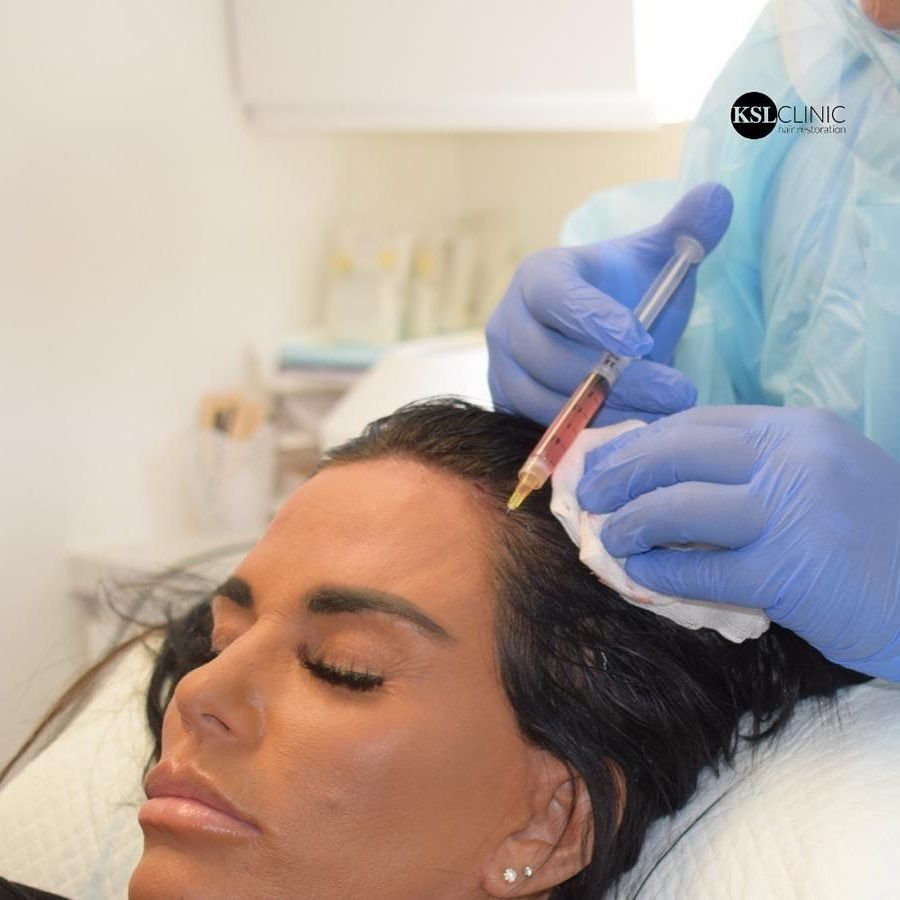
Platelet-rich plasma drawn from your own blood and reinjected into the scalp to stimulate follicles into an active growth phase. Non-surgical, and usually used alongside a transplant rather than instead of one.
- TypeNon-surgical injectable treatment
- SourceYour own blood — nothing synthetic added
- SessionBlood draw, centrifuge, scalp injections
- StructureA course, then maintenance
- DowntimeMinimal — some scalp tenderness
- Performed byDr Matee Ullah, GMC No. 7043306
In short
PRP is a non-surgical option for male and female hair loss. Blood is taken, spun in a centrifuge to separate out the platelet-rich fraction, and that fraction is injected into the scalp. The aim is to stimulate follicles that are still present but underperforming back into an active growth phase. It supports existing hair; it does not create hair where the follicle has gone.
How it works
What PRP actually is
Blood is taken from the patient, usually from the arm, and spun in a machine called a centrifuge. The spinning separates the blood, and the section called PRP contains platelets — cells that can stimulate growth in hair follicles by acting on the stem cells and other cells around them.
Those platelet cells promote healing, increase the rate and degree of tissue regeneration, and improve the response to injury. It is this platelet-rich fraction that is reinjected into the treatment area.
The purpose in hair restoration is to stimulate inactive or newly implanted follicles into an active growth phase. PRP in hair restoration is an evidence-based procedure supported by positive results in clinical research.
Suitability
Is PRP right for you?
Usually yes, if…
- You have thinning where follicles are still present
- Loss is early and you want to protect what you have
- You have had a transplant and want to support the new grafts
- You would rather start with something non-surgical
Reasons you may be told no
- The area is completely bald and the follicles are gone
- You are expecting it to replace a transplant
- A blood or clotting condition makes it unsuitable
- You are not able to commit to a course rather than one session
PRP is most useful early, or alongside surgery. If it will not achieve what you are hoping for, you will be told that rather than sold a course.
Alongside surgery
How it fits with a transplant
A transplant moves hair; it does not stop the loss affecting everything else. PRP is one of the tools used to look after what stays.
Before
Used in the months leading up to surgery to improve the condition of the existing hair and scalp.
Around the procedure
Used to support newly placed grafts as they establish in their new position.
Ongoing
Maintenance sessions to support the hair that was never transplanted — which is still subject to genetic loss.
Common questions
Asked before booking
What actually happens during PRP?
Blood is drawn, usually from your arm, and spun in a centrifuge. The spinning separates it, and the platelet-rich fraction is drawn off and injected into the treatment area on the scalp.
Is it painful?
The blood draw feels like any other. The scalp injections are brief and most people describe them as uncomfortable rather than painful.
How many sessions will I need?
PRP is a course rather than a single treatment, usually followed by maintenance. How many, and how often, is set at consultation based on what is being treated.
Can PRP replace a transplant?
No. PRP works on follicles that are still present but underperforming. It cannot grow hair where the follicle is gone, which is what a transplant is for.
Can I have PRP and a transplant?
Yes, and they are often used together — PRP to support existing hair and newly placed grafts, the transplant to restore areas where hair has already been lost.
Is there any downtime?
Very little. Some tenderness on the scalp afterwards is normal and settles quickly.
Also offered
Other treatments
Where this is performed
Two surgical clinics, seven consultation cities
Surgery takes place in Kent or Manchester. Consultations are available closer to home in seven further cities — all with Dr Matee himself.
Not sure which is nearest? All clinic addresses and phone numbers are listed together.
Find out where you actually stand
A free, in-person assessment with Dr Matee — donor density, a realistic graft count, and a straight answer on whether surgery is right for you.